
What Is Visual Merchandising in Retail? 7 Tips for 2026 Growth
1-sentence answer: Visual merchandising is the practice of presenting products in a way that attracts attention and influences buying behavior, both in physical stores and online.
When this is true:
- You want your store or website to “sell” through design and product presentation.
- You need to guide shoppers toward key products, promos, or collections.
- You want to increase engagement time and conversion.
When it’s false:
- Your assortment is very small and needs little navigation.
- Shoppers already know exactly what they need and where it is.
- Visual presentation doesn’t meaningfully affect your category (rare in retail).
- What Is Visual Merchandising?
- What Role Does Visual Merchandising Play in Retail Stores?
- What Are the Main Types of Visual Merchandising Displays?
- 7 Visual Merchandising Tips To Attract Every Look of Customers
- 1. Direct Customer Traffic With The Store Layout
- 2. Adopt Lighting Techniques to Draw Attention to Products
- 3. Use Color Schemes to Create a Cohesive Visual Experience
- 4. Consider All Five Senses Of The Buyers
- 5. Highlight Products With A Consistent Theme
- 6. Leverage Product Groups To Increase Sales
- 7. Tell Your Brand Story
- What Are the Biggest Visual Merchandising Challenges in 2026?
What Is Visual Merchandising?
Visual merchandising is often described as the “Jedi mind trick” of retail: not by controlling minds, but by shaping buying behavior through layout, signage, product placement, and overall experience. Research by FedEx Office found that 68% of customers bought a product because of an attractive sign.
What Is An Example Of Visual Merchandising?
1-sentence answer: IKEA and Zara are classic visual merchandising examples: IKEA sells ideas through immersive showrooms, while Zara tells a recognizable fashion story through displays.
When this is true:
- The store environment is designed to inspire, not just stock products.
- Customers can imagine a lifestyle or identity through the presentation.
- The layout encourages discovery and browsing.
When it’s false:
- Displays don’t change, feel random, or lack a clear concept.
- Product presentation doesn’t support the brand’s identity.
IKEA’s showroom structure helps shoppers visualize an “ideal home” as they move through curated spaces. Zara is also a strong example: its fashion visual merchandising creates a consistent story customers recognize worldwide.
What is offline visual merchandising?
1-sentence answer: Offline visual merchandising is how you showcase products in a physical store to attract shoppers and encourage purchases.
When this is true:
- You use in-store displays and sensory elements to influence behavior.
- Your space is designed to guide traffic and attention.
- You support products with signage, lighting, and storytelling.
When it’s false:
- Products are placed with no flow, hierarchy, or cues for shoppers.
Offline merchandising includes props, banners, color, signage, fragrances, lighting, and mannequins—all designed to make products easier to notice, understand, and desire.
What is online visual merchandising?
1-sentence answer: Online visual merchandising is presenting products on a website or app to capture attention and guide shoppers to the right items faster.
When this is true:
- Your site uses rich product presentation (images, videos, reviews, promos).
- You personalize discovery and recommendations based on behavior and intent.
- Search and navigation help shoppers refine quickly.
When it’s false:
- Product pages and listings are flat, hard to browse, or visually inconsistent.
Online merchandising includes videos, images, text content, ratings, reviews, prices, promotions, custom banners, recommendations, and optimized search. Using data and AI, online merchandising can increase profitability by showing the right products to the right shoppers in more compelling ways.
As online merchandising becomes more complex, design teams often need ways to test layouts and interface patterns efficiently. An AI design generator can support this process by helping designers explore and refine visual structures before implementation. This can be useful when aligning presentation, navigation, and merchandising elements at scale
A Prefixbox case study also showed how AI search and visual recommendations can significantly improve outcomes: A case study by Prefixbox highlights revenue impact driven by AI-powered product discovery.
What Role Does Visual Merchandising Play in Retail Stores?
1-sentence answer: Visual merchandising turns your retail space (or digital storefront) into a high-performing salesperson that drives revenue, engagement, and brand visibility.
When this is true:
- You want displays to guide customers toward high-impact products.
- You want longer browsing time and stronger brand recall.
- You want shoppers to share your store experience socially.
When it’s false:
- Your merchandising doesn’t affect traffic flow, attention, or product discovery.
Visual merchandising supports three core outcomes:
- Higher sales: It showcases your brand and draws the right customers—turning more shoppers into repeat buyers.
- Higher engagement time: Layout and presentation influence how long customers browse and how deeply they interact with products.
- Better social presence: Strong displays encourage people to share your store experience, expanding reach organically.
What Are the Main Types of Visual Merchandising Displays?
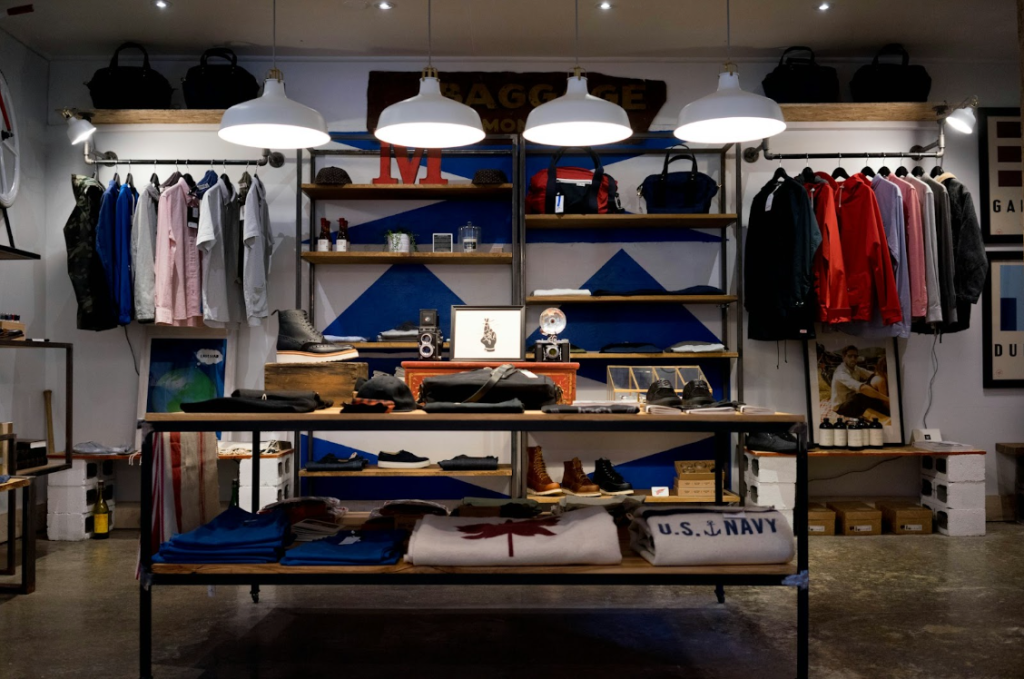
1-sentence answer: Visual merchandising displays can be interior, exterior, window-based, point-of-sale, interactive, seasonal, and informational, each shaping how shoppers experience products.
When this is true:
- You use different display types for different moments in the customer journey.
- You align displays with store goals (traffic, conversion, add-ons, brand).
When it’s false:
- Everything looks the same everywhere (no hierarchy or purpose).
Common display types include:
- Interior displays: In-store merchandising and decor that influence movement and shopping flow.
- Exterior fixtures: Posters, signs, and canopies that create a strong first impression.
- Window displays: Attention-grabbing displays that increase foot traffic and highlight promos/newness.
- Point-of-sale displays: The checkout zone is a major touchpoint—often overlooked, but seen by every buyer. A strong POS system for clothing stores can show prices, policies, promos, and visuals that reduce friction and speed up decisions.
- Interactive displays: Tactics from smart screens and mirrors to VR showrooms—and online equivalents like personalized search or a helpful chatbot.
- Mannequins: A classic fashion tool to show fit, style, and identity across diverse body types.
- Seasonal displays: Holiday-led merchandising to encourage add-ons (e.g., Christmas, Chinese New Year, Mother’s Day).
- Product information (online and offline): Tags, labels, info sheets, typography, buttons, tone, and tools like visual recommendation all influence purchase confidence.
7 Visual Merchandising Tips To Attract Every Look of Customers
1. Direct Customer Traffic With The Store Layout
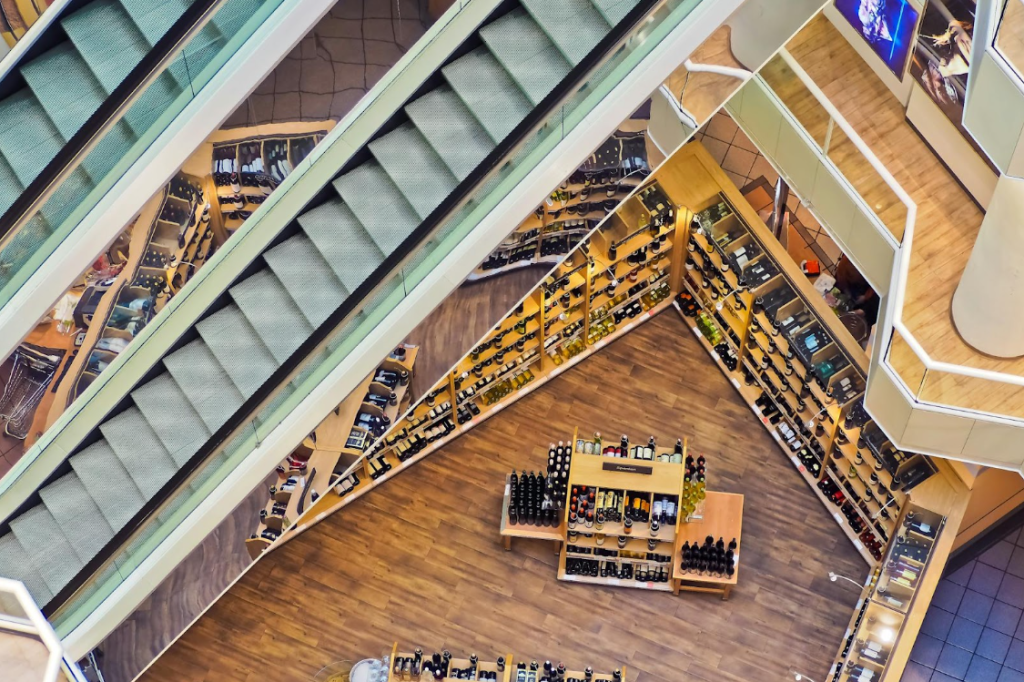
All together it is possible to choose 8 variants of store layouts and every variant offers you different possibilities. You should first consider the number of products, store size, preferred style, and movement patterns to have the suitable layout.
- Grid Floor Plan is best for shelf-stocked products such as toys, hardware, books, and homewares
- Racetrack Floor Plan is best for fashion, accessory, toy, homeware, kitchenware, personal care, and specialty retail
- Diagonal Floor Plan is best for Self-service stores, electronics, beauty, and cosmetic sellers
- Straight Floor Plan is best for home decor, experiential retail stores, and showrooms
- Angular Floor Plan is best for luxury retailers like high-end apparel and jewels
- Herringbone Floor Plans is best for wholesalers with large inventories
- Mixed Floor Plan is best for specialty retailers to highlight brand collaborations with an unique experience or “pop-in” retailers
- Free-flow Floor Plans are best for fashion, accessory, personal care, specialty, and bakeries that display packaged goods
2. Adopt Lighting Techniques to Draw Attention to Products
Light can direct the attention of shoppers to certain areas of your store or on certain displays. Use these 4 lighting techniques to compel consumers to buy.
- Ambient lighting acts as the main lighting source for your store.
- Accent lighting highlights key areas or specific products to indicate to draw the eye of shoppers.
- Task lighting provides light for a specific task, such as bathroom lights.
- Decorative lighting serves an aesthetic purpose.
Lighting can also dictate the mood. Brightly lit displays create energy and action, while subdued lighting options create a more relaxed vibe.
3. Use Color Schemes to Create a Cohesive Visual Experience
A uniform color palette will create a cohesive visual experience in your shop. Bright colors can draw the eyes better than darker ones. So use eye-catching colors with lighting to highlight specific products and use darker colors to keep the customers moving.
For example, let’s say you are an apparel store and you want your visual merchandising fashion to be stylish. Contrasting shades like black and white would be ideal to show off items, while pink or maroon brings a feminine vibration.
But remember:
Limit the number of colors to better create a harmonious visual experience. Also, choose a palette that fits your brand, which must not be the same as competitors.
4. Consider All Five Senses Of The Buyers
It can be easy to focus on creating eye-catching visual merchandising displays and forget about the other four senses. But the secret to an immersive shopping experience is a multi-sensory encounter:
- Sight: Combine store layout, lighting, and colors to direct and control where a visitor looks and for how long
- Sound: Music in the store has a profound but subtle effect on customer behaviors
- Touch: Give customers the ability to touch, feel, and try out your items
- Smell: Scent can evoke emotion and memory of buyers
- Taste: If you sell consumables, sample tasting is the equivalent of trying on clothes before buying.
5. Highlight Products With A Consistent Theme
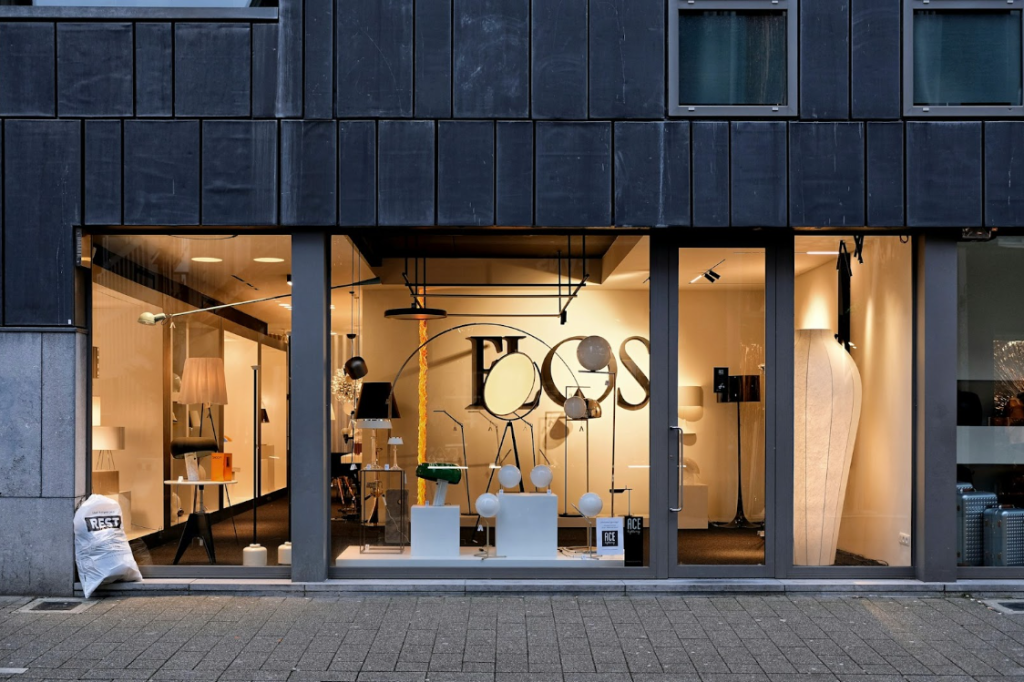
Visual merchandising is not just about making one or two store sections attractive. It’s about creating a consistent brand experience throughout one or many stores. When designing your store’s visual presentation, consider how each section combines to create the flow of traffic, key products’ visibility, and the overall emotion you want to create.
Visual fashion merchandising is a perfect example, you can:
- Place a new collection by the window to capture attention.
- Create a natural path leading to other areas like sale items.
- Arrange related items to encourage add-on sales.
6. Leverage Product Groups To Increase Sales
Strategic product placement throughout the store draws attention to related items so that customers will be more likely to purchase them. Here are some key product grouping strategies to consider:s
- Complementary items such as shoes and accessories should be together.
- More expensive items stay at an eye-level shelf to encourage more expensive purchases.
- Put impulse-buy products around the checkout area or POS device
- Use best-sellers to promote slow-sellers by putting them in a correlation layout.
For your online store, visual merchandising eCommerce can mean creating new product groups with the same type, price, size, or colors together.
7. Tell Your Brand Story
Lastly, you want your stores to tell a story about your brand and what people can expect from you. This is where storytelling plays its part in connecting customers with the purpose of your business.
For example, if you are a wine store, you may want customers to purchase and feel like they just visited a luxurious chateau estate. To best tell your story, ensure all elements are part of a complete visual narrative.
What Are the Biggest Visual Merchandising Challenges in 2026?
1-sentence answer: Visual merchandising challenges vary by category—fashion often struggles with maintaining visual appeal while managing inventory, while electronics must simplify complex products.
When this is true:
- Your category requires frequent refreshes (fashion) or heavy explanation (electronics).
- Trends shift faster than store updates or site updates.
When it’s false:
- Your merchandising requirements remain stable across seasons and assortments.
Staying ahead of trends helps retailers remain competitive. For online stores, AI personalized search can help create a shopping experience that’s visually appealing, intuitive, and easier to navigate, especially as catalogs grow and customer expectations rise.

Katie is a retail expert at magestore.com – No.1 POS solution for Magento & Shopify. She provides helpful insights to retailers to operate a store operation seamlessly. Katie has over 5 years of experience working with various retailers, producing high-quality content to educate customers on basic definitions of the industry and giving advice about best practices and solutions for each type of business.